
The Anxiety That Looks Like Control
By Sarah Harris, LCSW · · 8 min read

Everyone thinks you are organized. But underneath the backup plans is something else: the fear of what happens if you stop holding everything together.
People compliment you on how organized you are.
They marvel at your color coded calendar, your detailed meal plans, your ability to anticipate problems before they happen. They call you responsible. Pulled together. The one who always has a plan.
You smile and accept the compliment.
But they do not see what happens when the plan falls apart.
The racing heart when someone changes the schedule at the last minute. The irritation that flares when things do not go the way you mapped them. The mental spiral at 2am running through every possible scenario that could go wrong tomorrow.
They see control. You feel chaos.
Because underneath all that organization is not personality. It is fear. The relentless, exhausting fear of what might happen if you stop managing everything.
When Control Becomes a Cage
There is nothing wrong with being organized. Planning ahead, anticipating needs, paying attention to details are all genuinely valuable skills.
But there is a difference between healthy planning and anxiety driven control.
Healthy planning says I will prepare what I can and adapt to what I cannot. It creates space. You make a plan and then you can relax because you have done what you can.
Anxiety driven control says if I do not manage every variable something terrible will happen. It consumes space. You make a plan and immediately start planning for what could go wrong with the plan. And then what could go wrong with the backup plan.
Healthy planning is flexible. Changes are annoying but manageable. Anxiety driven control is rigid. Changes feel threatening. Destabilizing. Like the ground shifting beneath your feet.
When your need for control comes from anxiety, no amount of planning ever feels like enough. You cannot rest in the preparation because your brain keeps finding new threats to prepare for. The control that was supposed to bring peace becomes a cage and you are trapped inside, endlessly managing, never at ease.
What Control Is Really Trying to Do
Control is a coping mechanism. One of the most sophisticated ones, actually.
At some point, probably long before you had words for it, your brain learned that the world was not predictable. That things could change without warning. That people could leave, moods could shift, safety could disappear.
And your brain did what brains do. It tried to protect you.
If I can just anticipate what is coming I will not be caught off guard. If I can just manage the variables nothing bad will happen. If I can just stay one step ahead I will be safe.
Control became your shield. Your way of creating safety in an unpredictable world. Your answer to the terrifying question of what if something goes wrong and I am not prepared.
The need for control is not a character flaw. It is a trauma response.
It is your nervous system’s attempt to prevent the overwhelm it experienced before. To never again feel that helpless, that blindsided, that unprepared for pain.
The problem is it does not work. Not really. Because you cannot actually control most of what happens. And the attempt to do so is exhausting you.
If you want to understand more about why anxiety lives in the nervous system rather than just in your thoughts, explore that here.
The Exhaustion of Holding Everything
You know this exhaustion.
The mental load of tracking every detail. The constant vigilance, scanning for what might go wrong. The inability to fully relax because some part of you is always monitoring, calculating, preparing.
You cannot delegate because no one does it the way you do. You cannot let things go because what if something falls through the cracks. You cannot trust the process because the process is not something you can control.
So you hold it all. The family calendar. The work projects. The relationships. The household. The mental inventory of everyone’s needs, appointments, preferences, and potential problems.
And everyone thinks you are amazing. So capable. So on top of things.
They do not know that you are drowning. That the capability comes at a cost. That every ball you keep in the air takes energy you do not have to spare.
You are not organized. You are hypervigilant.
And hypervigilance was never meant to be a permanent state. Your nervous system is running a marathon every single day and it is wearing you down.
What Happens When You Cannot Control
The real test of anxiety driven control is not how you function when things go according to plan. It is what happens when they do not.
When the flight gets cancelled. When someone makes a decision without consulting you. When your child gets sick the morning of an important meeting. When life refuses to cooperate with your carefully constructed schedule.
For someone with healthy planning skills, these moments are frustrating but manageable. Disappointing but not destabilizing.
For someone whose control is rooted in anxiety, these moments feel catastrophic.
Not outwardly, maybe. You might hold it together on the surface. But inside the panic rises. The irritation flares into something sharper. The mind starts spinning, not just solving the problem but spiraling into everything else that could go wrong now that this has gone wrong.
Loss of control does not just feel inconvenient. It feels unsafe.
Because deep down the belief running the show is this: if I cannot control things I cannot keep myself safe. And if I am not safe something terrible will happen.
That belief was probably true once. There probably was a time when you could not control things and something terrible did happen. When unpredictability meant pain. When being caught off guard led to harm.
But your nervous system does not know that was then and this is now. It just knows the pattern. Control equals safety. Loss of control equals danger.
So it keeps you gripping. Keeps you managing. Keeps you exhausted.
The Illusion of Control
Here is the hard truth. Most of what you are trying to control was never controllable in the first place.
You cannot control other people’s reactions. You cannot control the economy, the weather, or whether the flight is delayed. You cannot control whether people like you, whether your children make good choices, whether your body stays healthy.
You can influence these things. You can prepare. You can make wise decisions. But you cannot control the outcome.
And the attempt to control what cannot be controlled is stealing your peace.
Every moment spent trying to manage the unmanageable is a moment spent in anxiety. Every scenario you run through is another hit of cortisol. Every plan you make for every possible contingency is another brick in the cage.
The illusion of control promises peace if you just plan well enough. But it never delivers. Because there is always one more variable. One more thing that could go wrong. One more scenario you have not accounted for.
You cannot plan your way to peace. Peace does not come from control. It comes from trust.
What Trust Actually Requires
For someone who has used anxiety driven control as a survival strategy, trust feels impossible.
Trust who? Trust what? Trust the world that has already shown you it cannot be relied on? Trust people who have already let you down?
Trust is not naive optimism. It is not pretending bad things will not happen or that everything will work out perfectly.
Trust is the belief that you can handle what comes. That even if things go wrong you will not be destroyed. That you have the capacity to cope, adapt, and survive, not because you controlled every variable but because you are resilient.
That kind of trust does not come from willpower. You cannot just decide to stop being controlling and start trusting. The nervous system does not work that way.
Trust requires healing. It requires addressing the experiences that taught you control was the only way to stay safe. It requires helping the part of your brain that learned unpredictability means danger to update that understanding with what is actually true now.
When your nervous system heals, trust becomes possible. Not because the world becomes more predictable but because you become more grounded. More resilient. More able to tolerate uncertainty without spiraling.
The Freedom on the Other Side
Imagine what it would feel like to make a plan and then actually let it go.
To encounter a change in schedule and feel annoyed but not anxious. To delegate something and not spend the whole time worrying about whether it is being done right. To have a backup plan but not need a backup for the backup.
Imagine going on vacation and actually being present. Not mentally running through everything that could go wrong at home or work. Not checking your phone compulsively. Not carrying the mental load across time zones.
Imagine trusting that you can handle whatever comes, not because nothing bad will happen but because you know your own resilience. You have survived hard things before. You can survive them again.
That is not irresponsibility. That is freedom.
Freedom from the exhausting grip of control. Freedom from the illusion that you can manage your way to safety. Freedom to live in the present instead of constantly preparing for a catastrophic future that may never come.
That freedom is possible. Not through trying harder to let go but through healing what made holding on feel so necessary in the first place.
How Healing Changes Your Grip
Control rooted in anxiety does not loosen through effort. Telling yourself to let go, trying to be less controlling, forcing yourself to trust. These approaches fight against your nervous system instead of working with it.
Healing works differently.
When you process the experiences that taught you control was survival, the unpredictability, the chaos, the moments when you could not protect yourself, your nervous system updates its understanding.
It learns that you are not in that situation anymore. That the danger has passed. That you have resources now you did not have then.
And as that happens the grip naturally loosens. Not because you forced it but because your brain no longer believes holding on is the only way to stay safe.
EMDR therapy is particularly effective for this kind of work. It helps your brain reprocess the memories and beliefs driving the anxiety driven control, not by talking about them endlessly but by allowing your brain to integrate them so they stop running the show.
Learn more about what EMDR actually does and why it reaches what talk therapy often cannot.
When those roots get addressed the need for control becomes a preference for organization. The anxiety becomes manageable discomfort. The cage becomes a choice you can make or unmake depending on what the situation actually requires.
Learn more about virtual EMDR therapy in Florida.
You Do Not Have to Hold It All
You have been holding so much for so long. Managing. Planning. Anticipating. Preparing for worst case scenarios while hoping for best case outcomes.
It is exhausting. And it is not sustainable.
But you are not stuck here. The anxiety driven control that feels like personality is actually a pattern. And patterns can change when you address what is underneath them.
You can be organized without being anxious. Prepared without being hypervigilant. Thoughtful without being controlled by fear.
You can learn to hold things loosely. To trust yourself to handle what comes. To find peace not in perfect planning but in genuine resilience.
If You Are Ready for Something Different
If you are tired of the constant mental load, the exhausting vigilance, the peace that planning promises but never delivers, you do not have to keep living this way.
I work with women across Florida who have been using control to manage anxiety for years. Women who look pulled together on the outside but feel like they are barely holding it together on the inside. Women who are ready to find a different way.
If you are ready to explore what that looks like, I would love to connect.
Tags
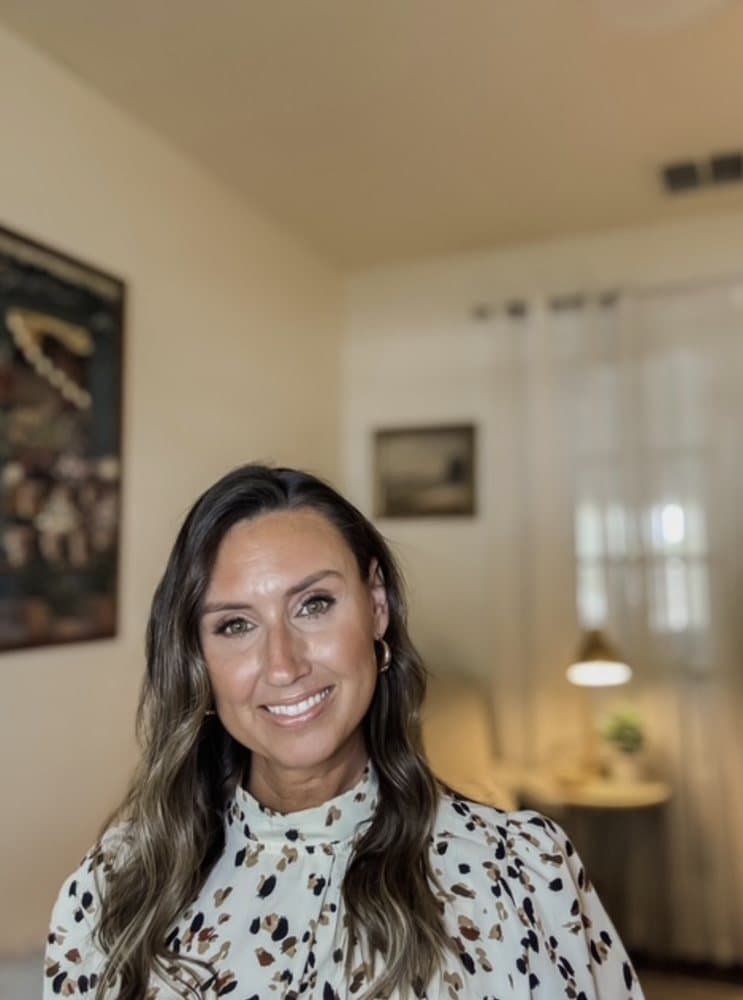
Sarah Harris, LCSW
Sarah Harris is a Licensed Clinical Social Worker and EMDR therapist at The Orchid Women’s Wellness Center, specializing in virtual therapy and virtual EMDR intensives for high-achieving women across Florida. She helps women heal anxiety, trauma, perfectionism, and recurring emotional patterns through EMDR, nervous system-based therapy, and Christian counseling.